
Recommended
Recent posts
-
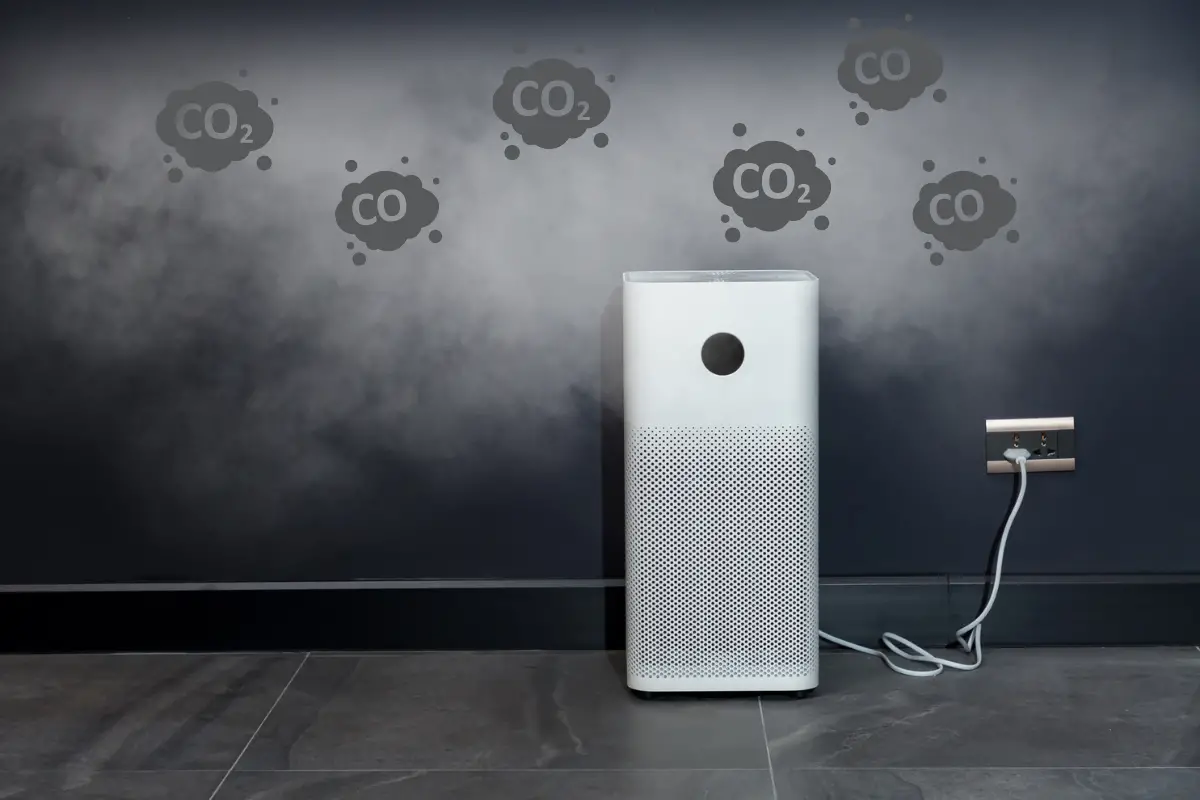
Air Purifiers: Carbon Dioxide And Carbon Monoxide Emissions
Air purifiers are common household appliances that remove airborne particles, pathogens, and certain gases. But some people think they could be a source of toxic gases like carbon dioxide and carbon monoxide? CO and CO2 are caused by lack of ventilation and incomplete combustion. Therefore, air purifiers cannot produce them. However, air purifiers are also…
-
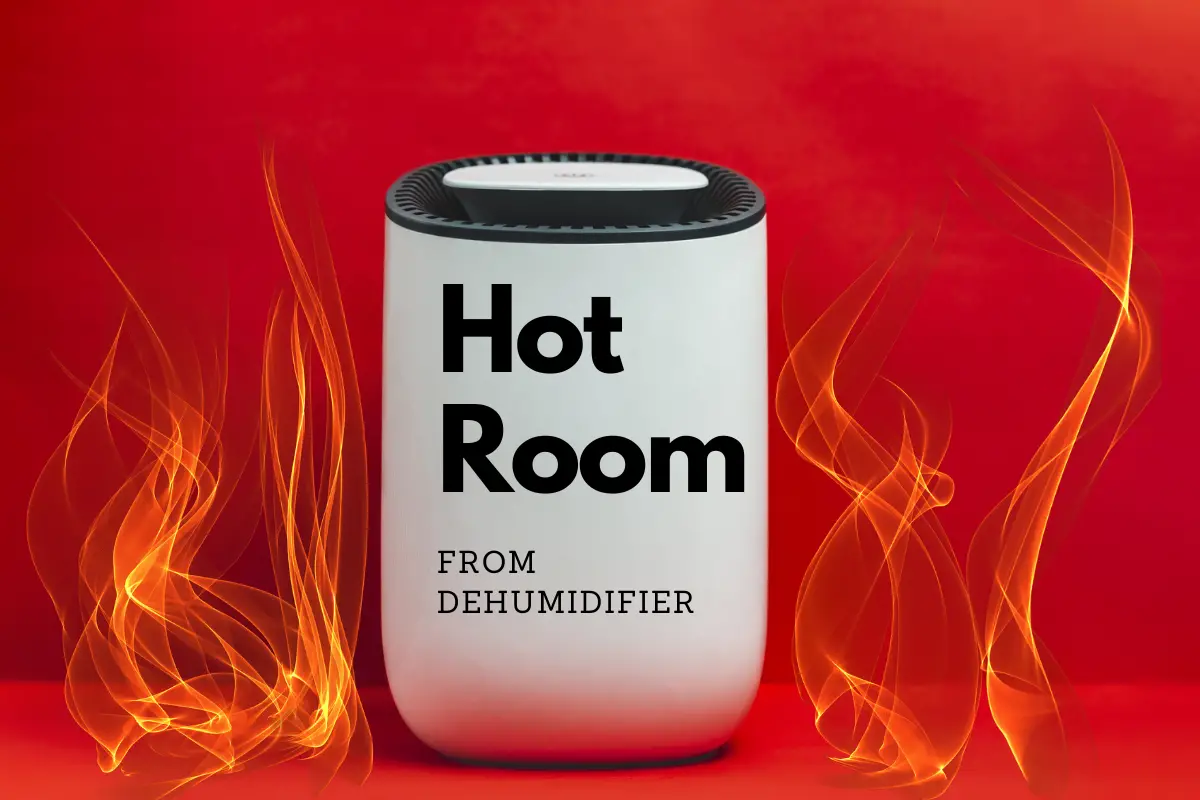
Hot Room? It Could Be Your Dehumidifier!
A malfunctioning dehumidifier can sometimes making your room hot. But why? Low refrigerant, corroded coils, a faulty humidistat, faulty fan, loose screws or a burnt capacitor can cause a dehumidifier to make a room hot. A dehumidifier that is the incorrect size for the room may also result in an increase in ambient temperature. To…
-

What Does A Smart Dehumidifier Do?
Advancement in technology has enabled the integration of various helpful features in traditional devices, making them more user-friendly whilst upholding the standard, optimal quality. This stands for dehumidifiers, essential appliances that reduce moisture levels to a comfortable and healthy level. A smart dehumidifier is a device having additional features like WiFi/Alexa /Google Home connectivity, app…
-
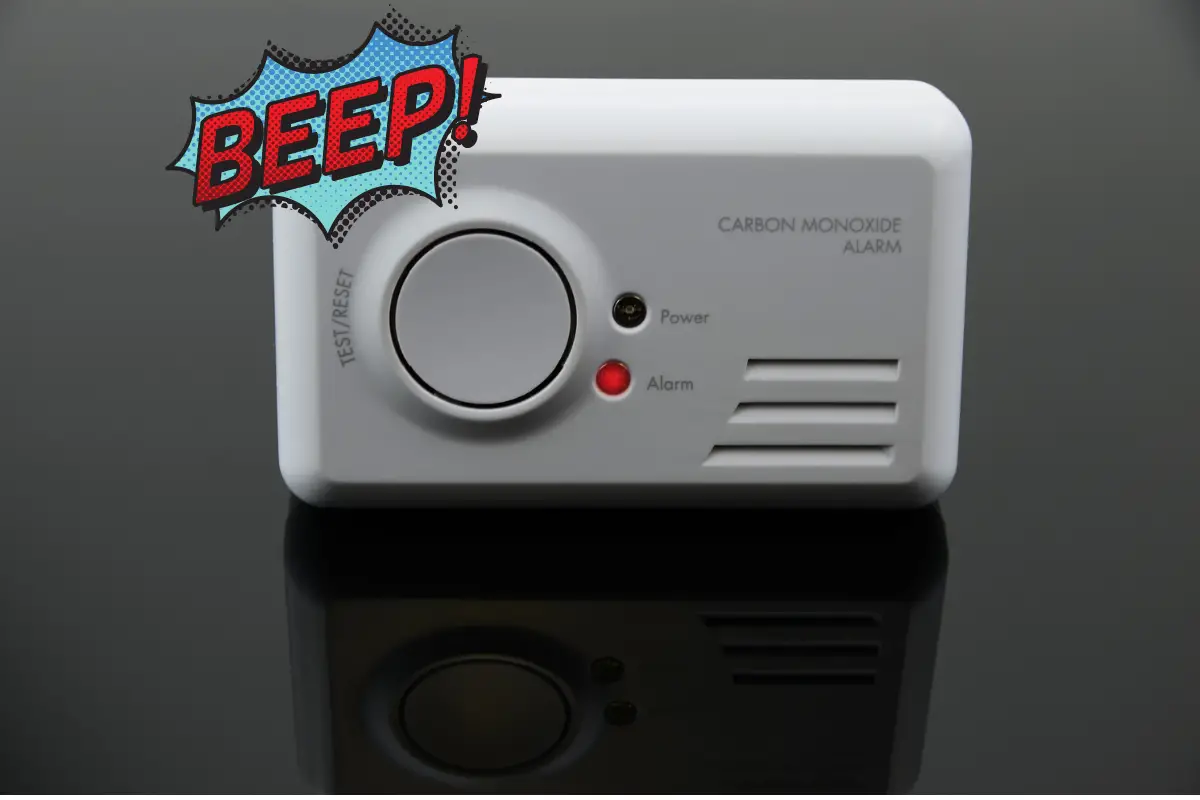
Annoying Beeps: Troubleshooting CO Detector
The Centers for Disease Control and Prevention (CDC) mentions that around 50,000 US citizens visit the emergency department annually due to carbon monoxide (CO) poisoning. Because the colorless, odorless, and tasteless gas isn’t detectable, accidental CO poisoning is common. Luckily, CO detectors ensure safety by alerting people timely but might beep frequently. A beeping carbon…
-

Fishy Business: Why Does My House Smell Like Fish?
Unusual odor in the house is not just uncomfortable but can also be indicative of toxic gas leaks and other dangerous circumstances. The constant fish-like smell is a common complaint, and while you may think of spoiled food as its source, multiple other reasons may be lying at the root of the problem. The fish…
-
The Do’s and Don’ts of Using Tap Water in Your Humidifier
Tap water can be used in a humidifier, but it may lead to mineral buildup and the dispersal of minerals and potential contaminants into the air. The best alternatives to tap water for humidifiers are distilled or purified water, which help prevent these issues and maintain optimal performance. Imagine this scenario: it’s the middle of…
-
Why Your House Smells Like Bleach/Chlorine
Unless you live under a rock, you’re exposed to chlorine regularly when swimming, drinking water, or driving your vehicle. Besides, homeowners often use bleach-based disinfectants to kill viruses and bacteria in their homes. While a chlorine smell is common after cleaning, a bleach or chlorine smell can occur in your hoe for many reasons. Although…
-
What To Do When Your House Smells Like A Tire Shop
Regardless of your maintenance habits, you’re bound to encounter weird smells around your property once in a while. While a few smells subside pretty quickly, others linger around before dissipating. One such unusual and notorious odor is that of burning plastic or rubber. Your house may smell like burning plastic due to faulty home appliances,…
-

Why Your House Smells Like A Sewer: Causes And Solutions
A nasty odor from rotten food, garbage cans, and smoke isn’t uncommon. But they are easier to tackle and take a minute to eliminate. A few stubborn smells, however, can make you nauseous and put your well-being at risk. One such noxious odor is that of sewerage. But where does it stem from? Sewerage smell…
-
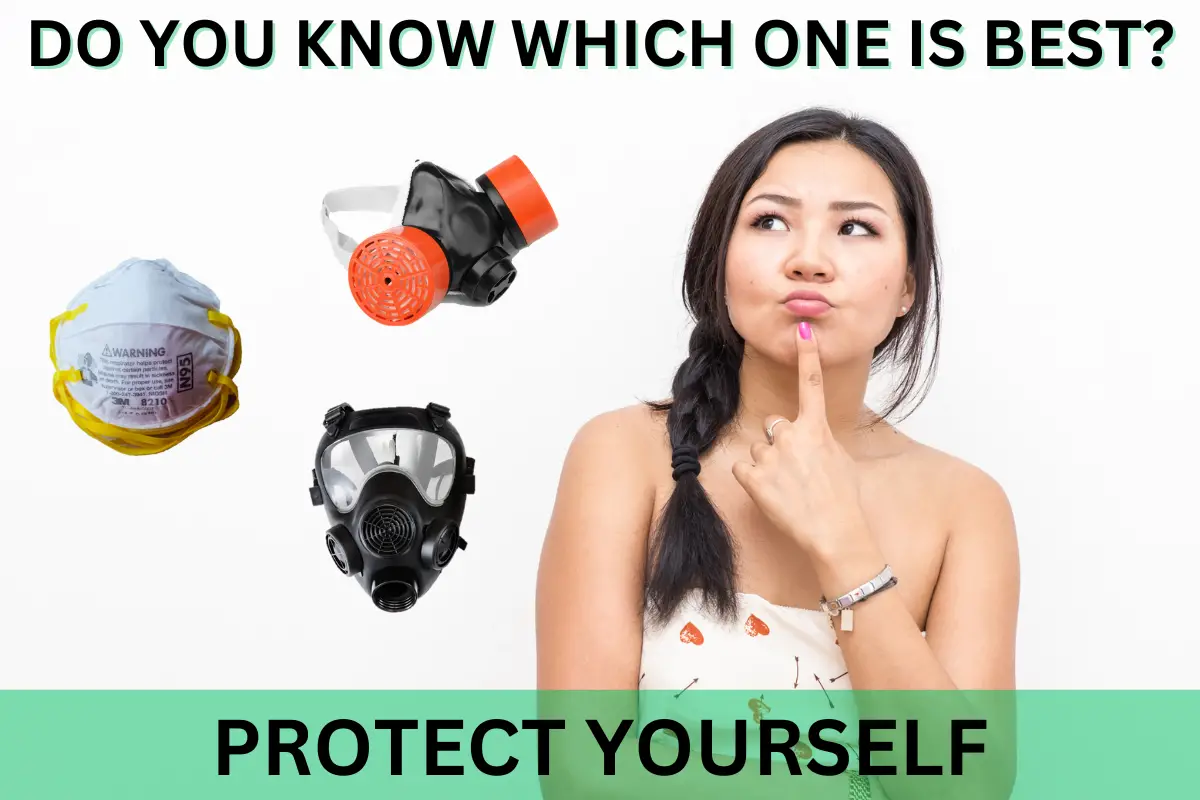
Masks Or Respirators For Cleaning Mold – Know The Difference
Whether in the form of fuzzy green patches under your kitchen sink or black slimy spots near your shower drain, unsightly mold wreaks havoc on your health and home. Any mold you notice should be removed it, but you need to wear a mask to prevent mold spores from entering your body. An N95 face…
-
Dehumidifiers That Emit Carbon Dioxide And Carbon Monoxide
Carbon dioxide (CO2) and carbon monoxide (CO) are harmful gases with severe health implications. It’s important to know if any of your appliances like dehumidifiers create or emit either of them. Most dehumidifiers do not produce carbon monoxide (CO) or carbon dioxide (CO2). However, whole-house furnace dehumidifiers can generate mild to dangerous levels of the…
-
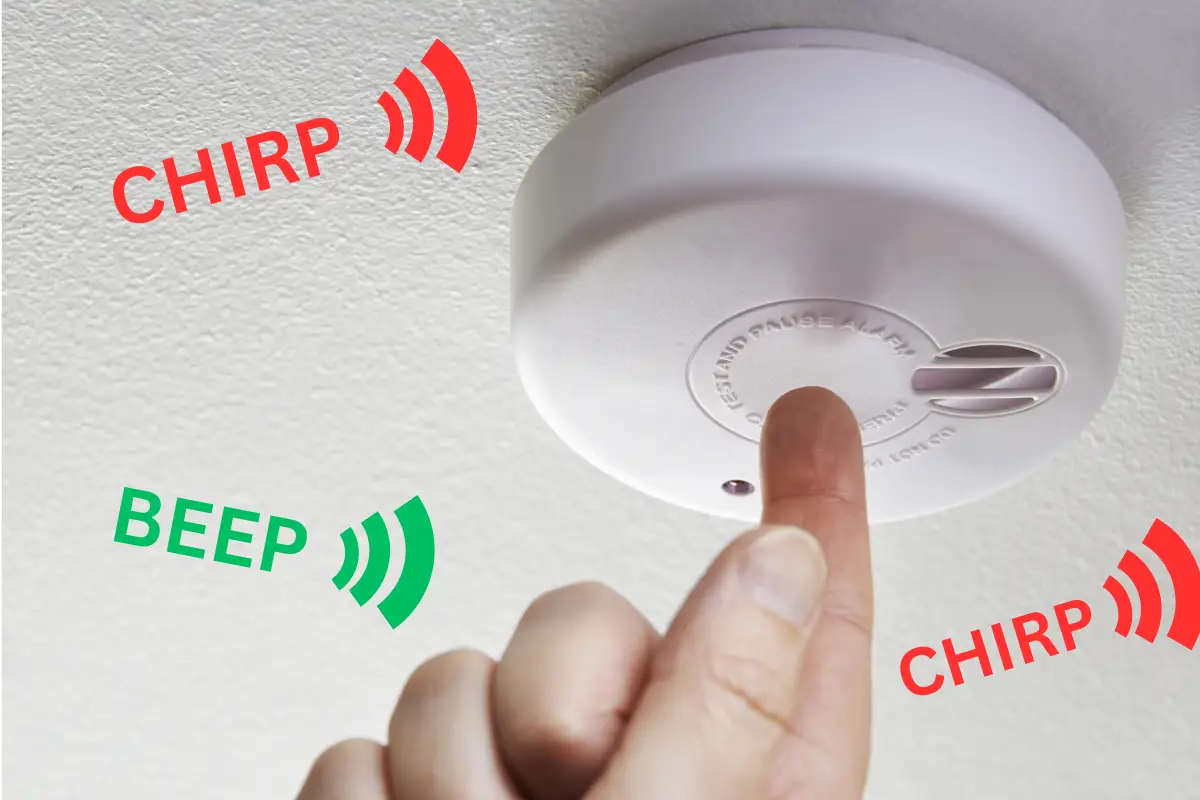
How To Reset A Hardwired Smoke Detector
A hardwired smoke detector can be reset by pressing and holding the reset or test button for 15 seconds. If that fails to stop the alarm from beeping, replace the backup battery with a new one. State laws in the US mandate installation of smoke alarms in all residential areas. While many people use battery…
-
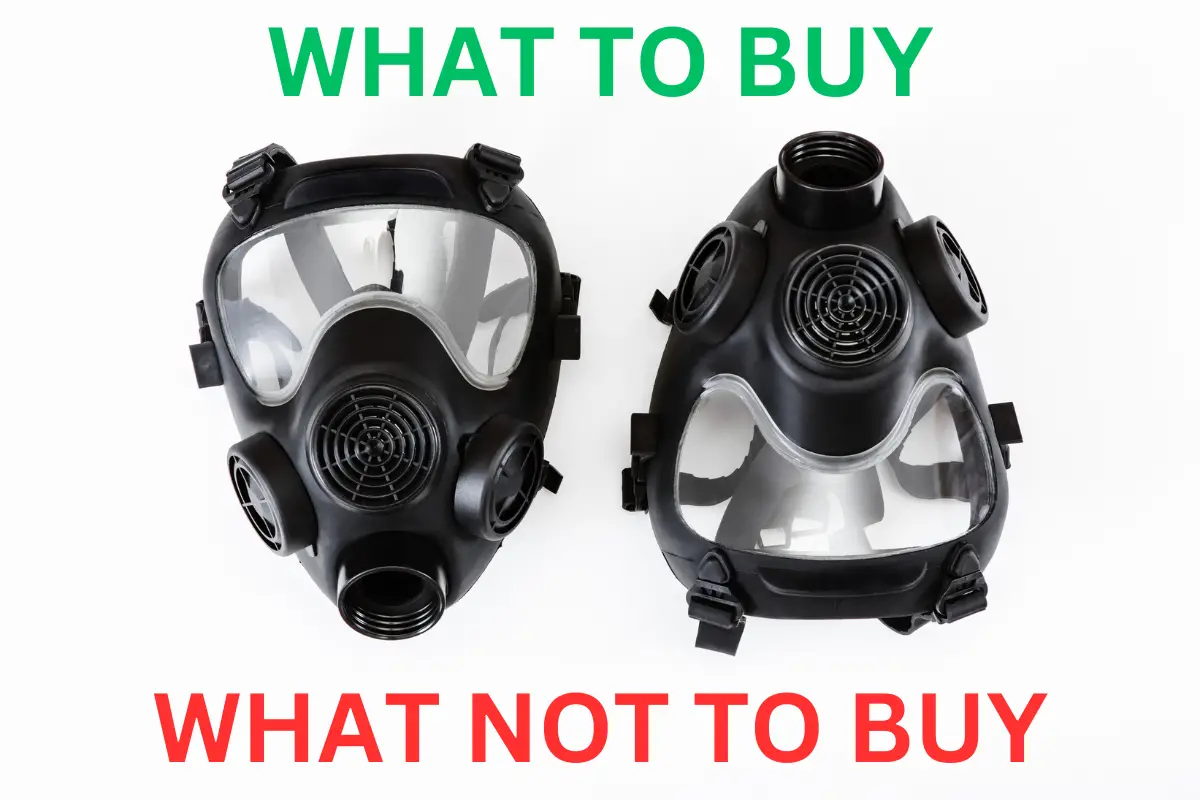
Respirators And Masks For Ammonia – Know The Difference
Activated charcoal masks, 3M masks, and an OSHA-approved combination of 3M and P100 are the best respirators to protect against ammonia. Personal Protective Equipment (PPE) in the form of an approved mask or respirator should be worn if you are going to be exposed to airborne ammonia. Ammonia is a naturally occurring gas that enters…
-
6 Reasons Why Your Honeywell Air Purifier Fan Isn’t Working
Dust buildup and clogged filters are the most common cause of a Honeywell air purifier fan not working. However, other factors including overheating, a broken fan motor, damaged wiring, or physical damage can also stop the fan from working in Honeywell air purifiers. Honeywell air purifiers use a rotating fan to draw the air into…
-
Air Purifiers That Remove Carbon Dioxide – Plant Power.
Regular air purifiers cannot remove carbon dioxide from the air. However, one air purifier can remove carbon dioxide as it is made from algae and mimics how plants remove carbon dioxide from the air. Carbon dioxide (CO2) is an important part of our planet’s atmosphere, playing a crucial role in the greenhouse effect. But high…
-
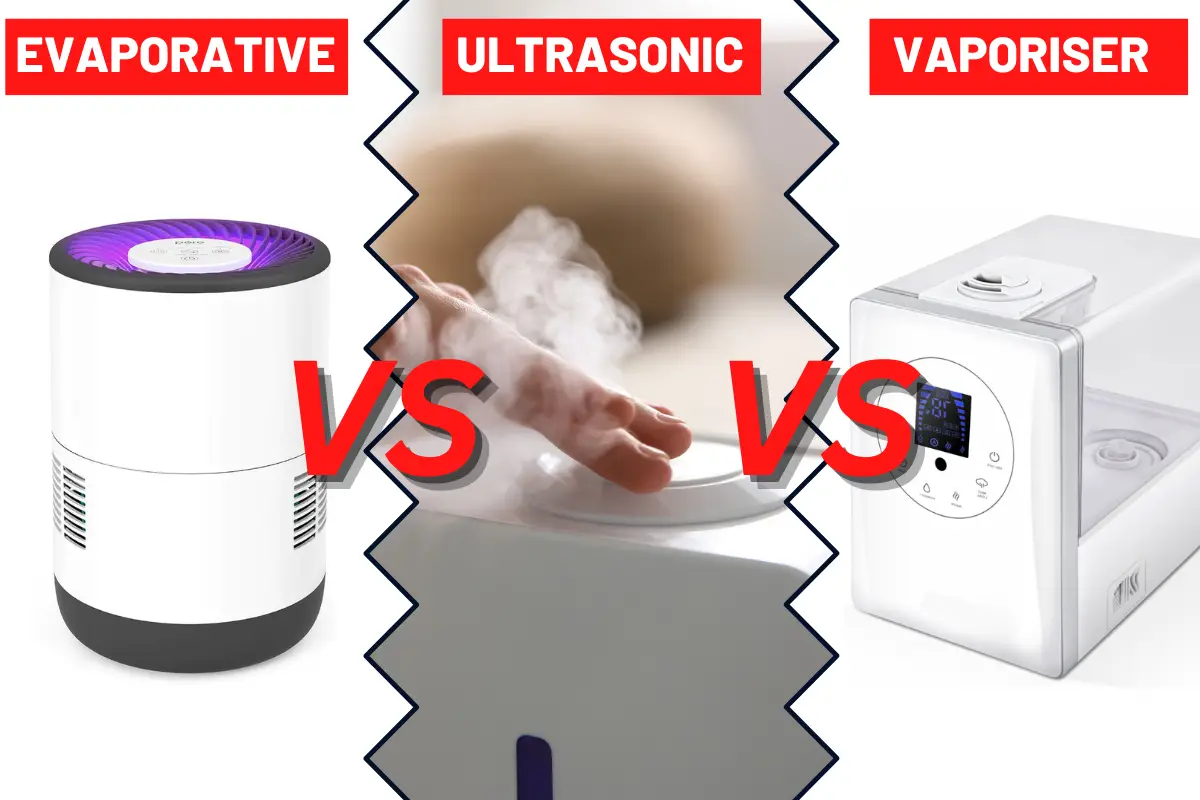
Choosing The Right Non-Ultrasonic Humidifier For You
Non-ultrasonic humidifiers are available as warm mist (vaporiser) or cool mist (evaporative) models. These humidifiers are generally less expensive than ultrasonic models, and are less prone to mold and mineral build-up problems. Humidifiers are wonderful appliances that increase the moisture content of the air in your room and help you breathe better. If you have…
-
Do Air Purifiers Really Dehumidify – All You Need To Know
Air purifiers cannot dehumidify the air. Activated charcoal filters are the only filters in air purifiers that can absorb some moisture. However, their effect is not significant and does not alter humidity levels. Air purifiers are effective in trapping airborne contaminants and improving our air quality. Although not a contaminant, water is also in our…
-
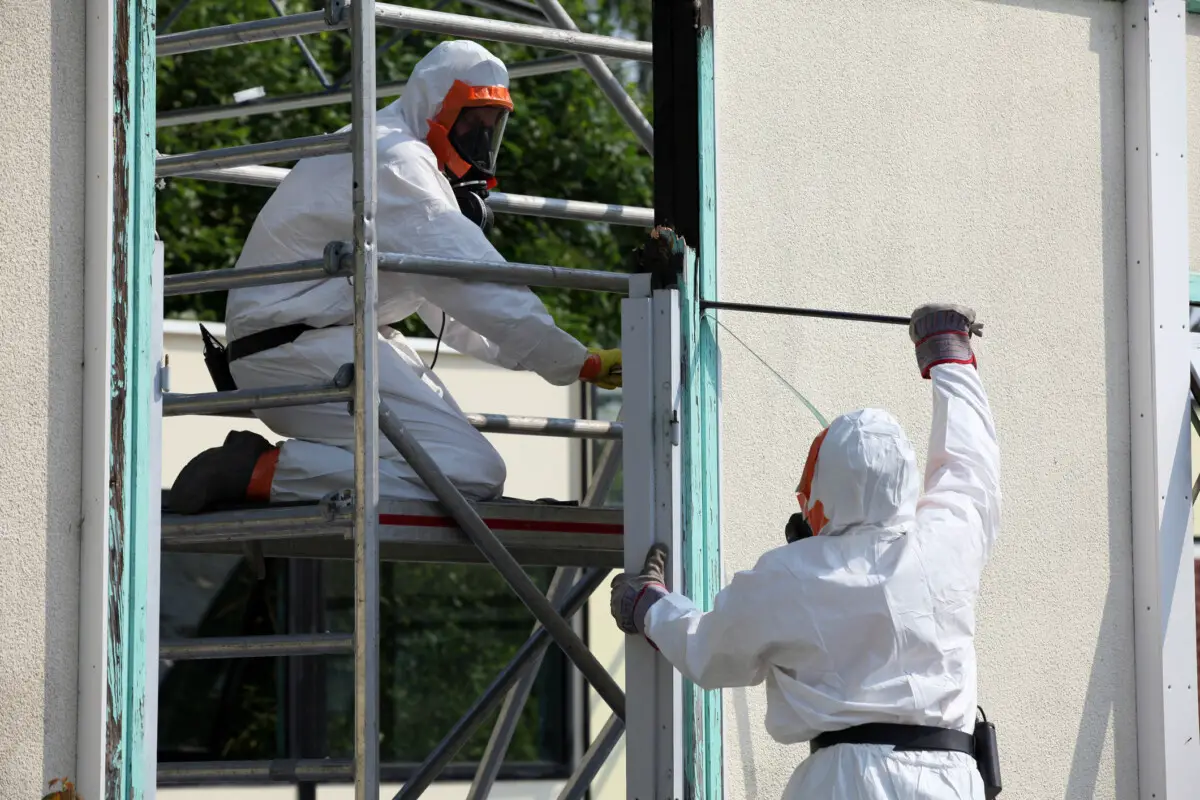
Respirator Masks For Asbestos – Filters And NIOSH Ratings
Respiratory masks with N100, R100 or P100 NIOSH rating, or 3M negative and positive pressure masks can be used to filter asbestos. Masks fitted with HEPA filter cartridges can also be used for asbestos. However, when manufacturing, processing, or using asbestos-containing products, complete Personal Protective Equipment (PPE) is essential. Asbestos releases tiny, invisible dust into…
-
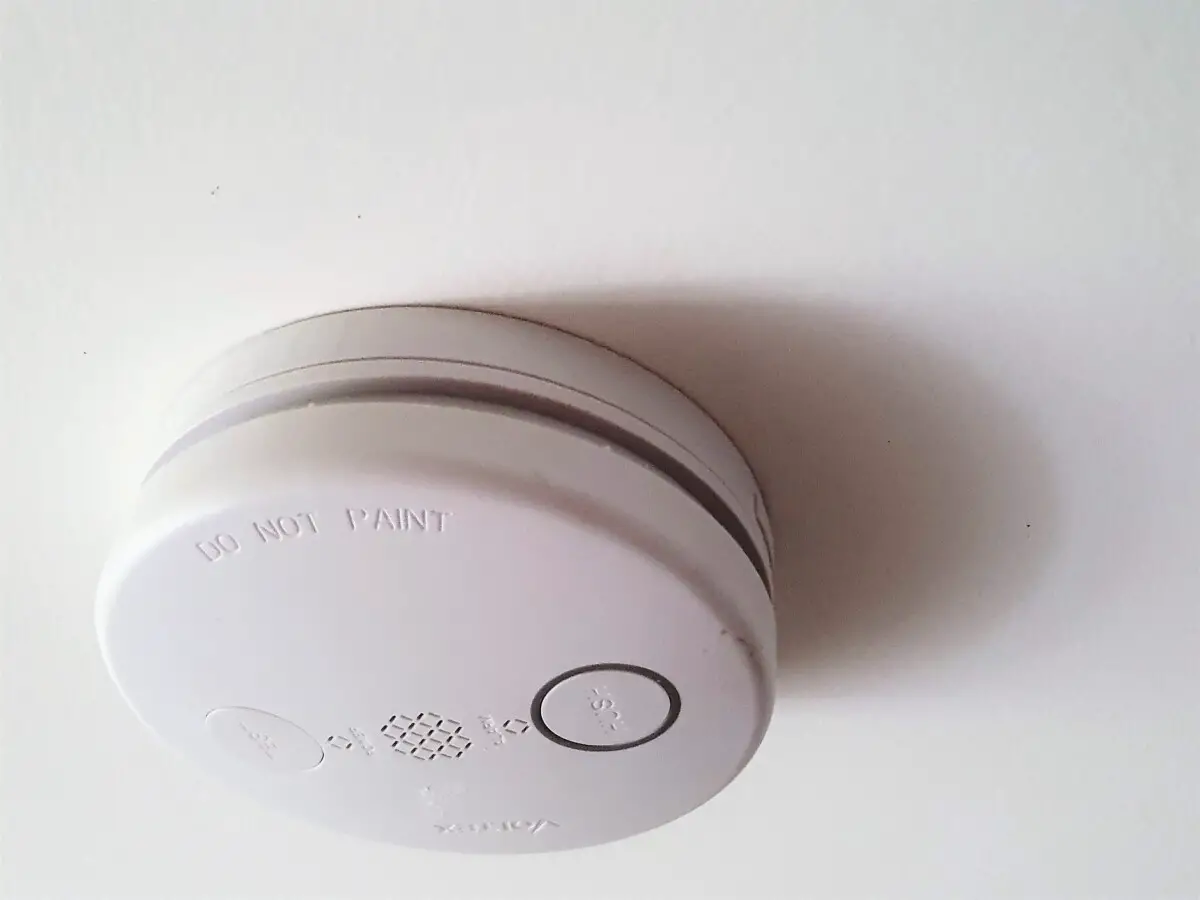
10 Reasons Why Your Smoke Alarm Keeps Beeping
Smoke alarms beep continually when there is a fire in the home. In the case of false alarms, a smoke detector can keep beeping due to residual charge, high humidity, old batteries, extreme temperatures or dust/debris on the sensors. Incorrect placement, and old detector or an internal malfunction can also cause a smoke detector to…
-
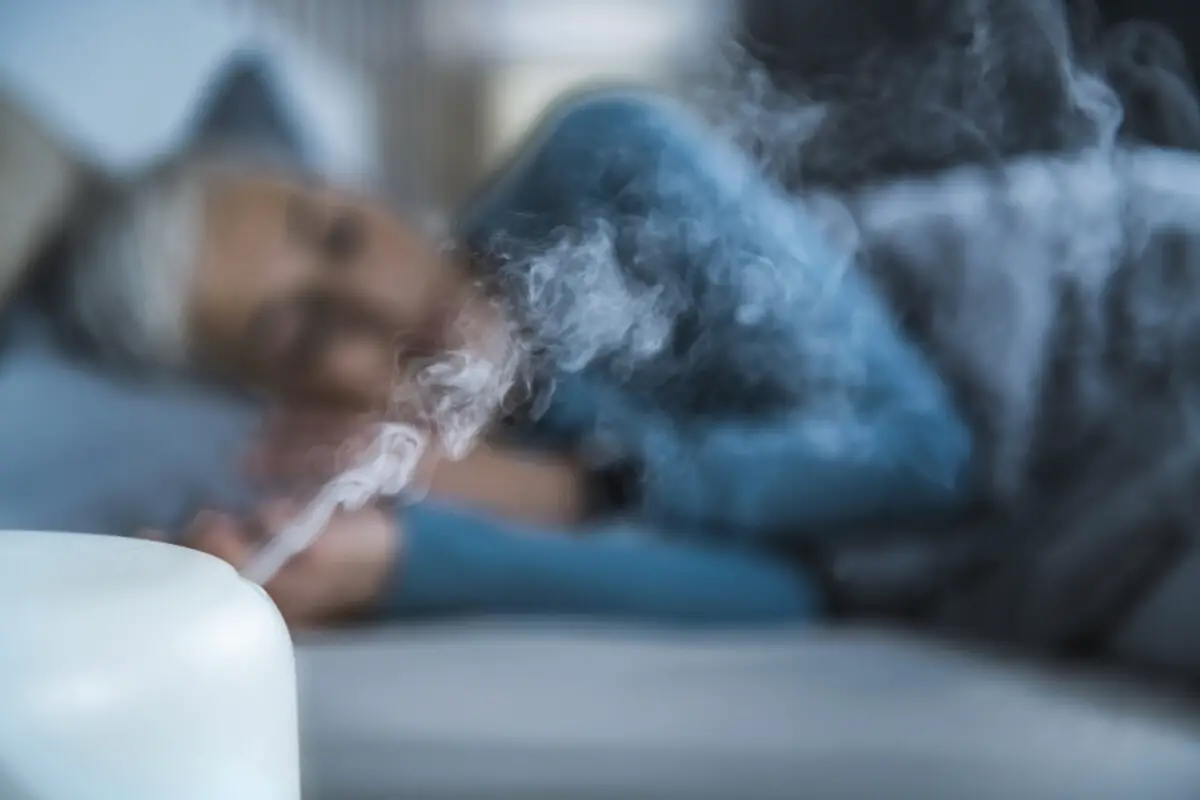
Should A Humidifier Run All Night – Benefits And Risks
A humidifier can be run all night if the relative humidity level is below 50%. Ensure the humidifier has an auto shut-off feature, has surge protection and is at least 3 feet away from the bed. Only use distilled water and ensure the filter is clean. A humidifier can improve the quality of sleep by…
-
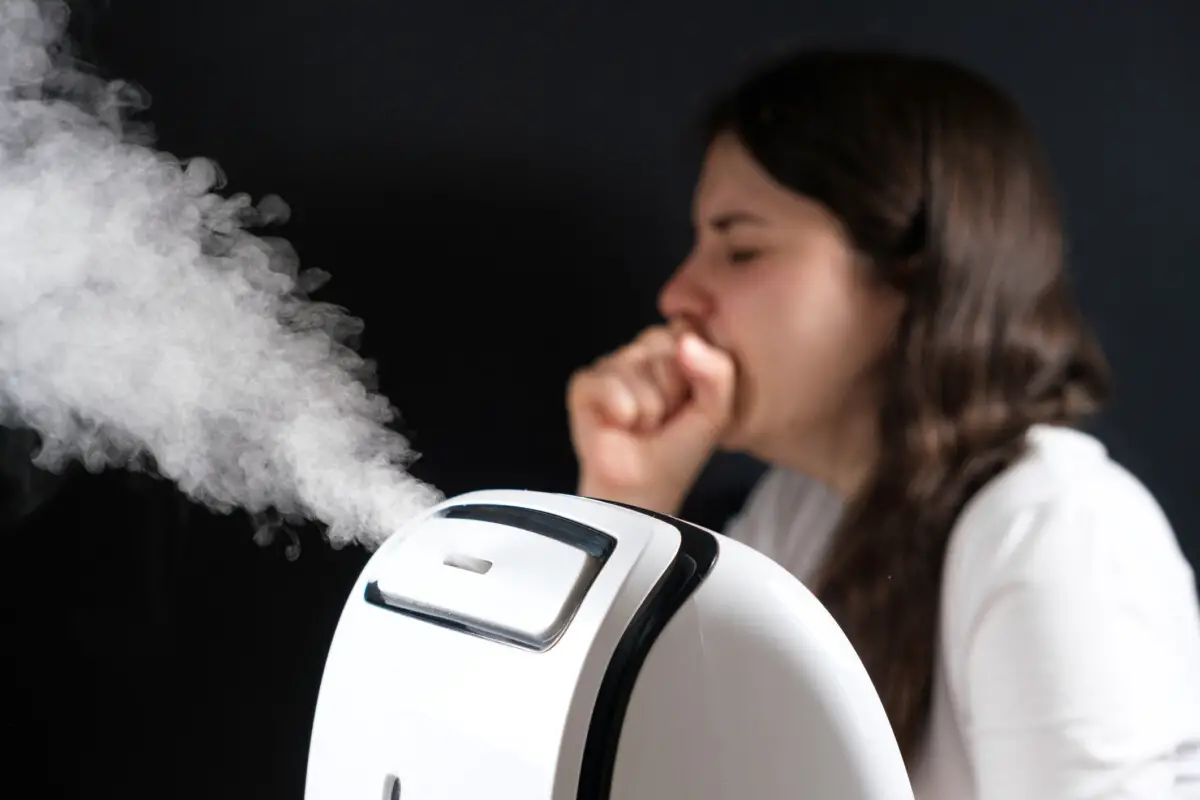
Do Humidifiers Kill Or Spread Germs – All You Need To Know
Humidifiers do not kill germs that are airborne. Poorly maintained cool mist humidifiers can breed and disperse bacteria and mold spores into the air and have been associated with inflammation of the lungs. Conversely, warm mist humidifiers can kill the germs present in the water tank, and do not disperse pollutants. Humidifiers are reliable appliances…
-

Propane Detectors – Single And Multi Gas Monitors
There are detectors solely dedicated to propane and natural gas detection. However, any combustible gas detector can detect propane gas leaks. Combustible gas detectors are also used to detect butane, natural gas, hydrocarbons and some solvents. Propane gas is a fuel source for many homes and buildings where natural gas isn’t available. It is used…
-
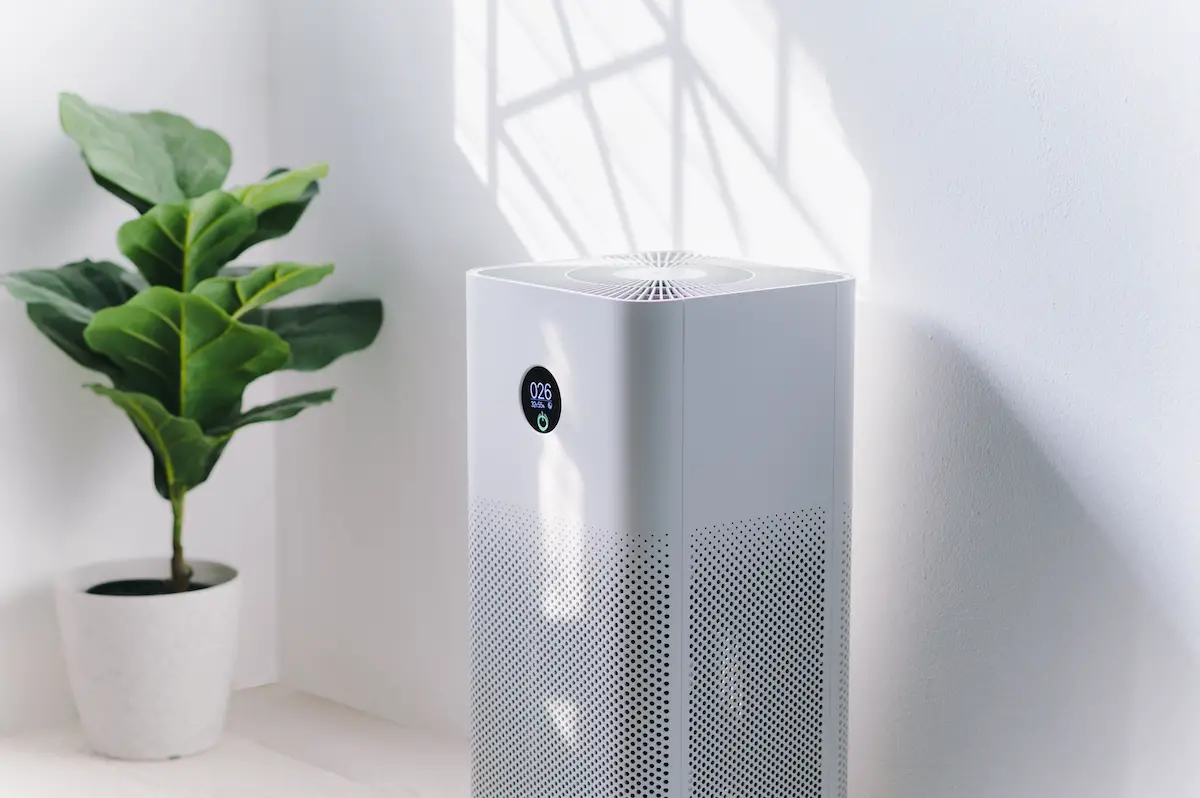
How Air Purifiers Affect Plants – Pros And Cons
Air purifiers remove airborne contaminants that can harm plants and stunt their growth. However, toxic by-products of some air purifiers (ozone) can negatively affect plants. Purifiers with a pre-, activated carbon and True HEPA filters can reduce harmful contaminants (e.g., dust, smoke) and improve the air quality index (AQI) of a home. Air purifiers are one…
-
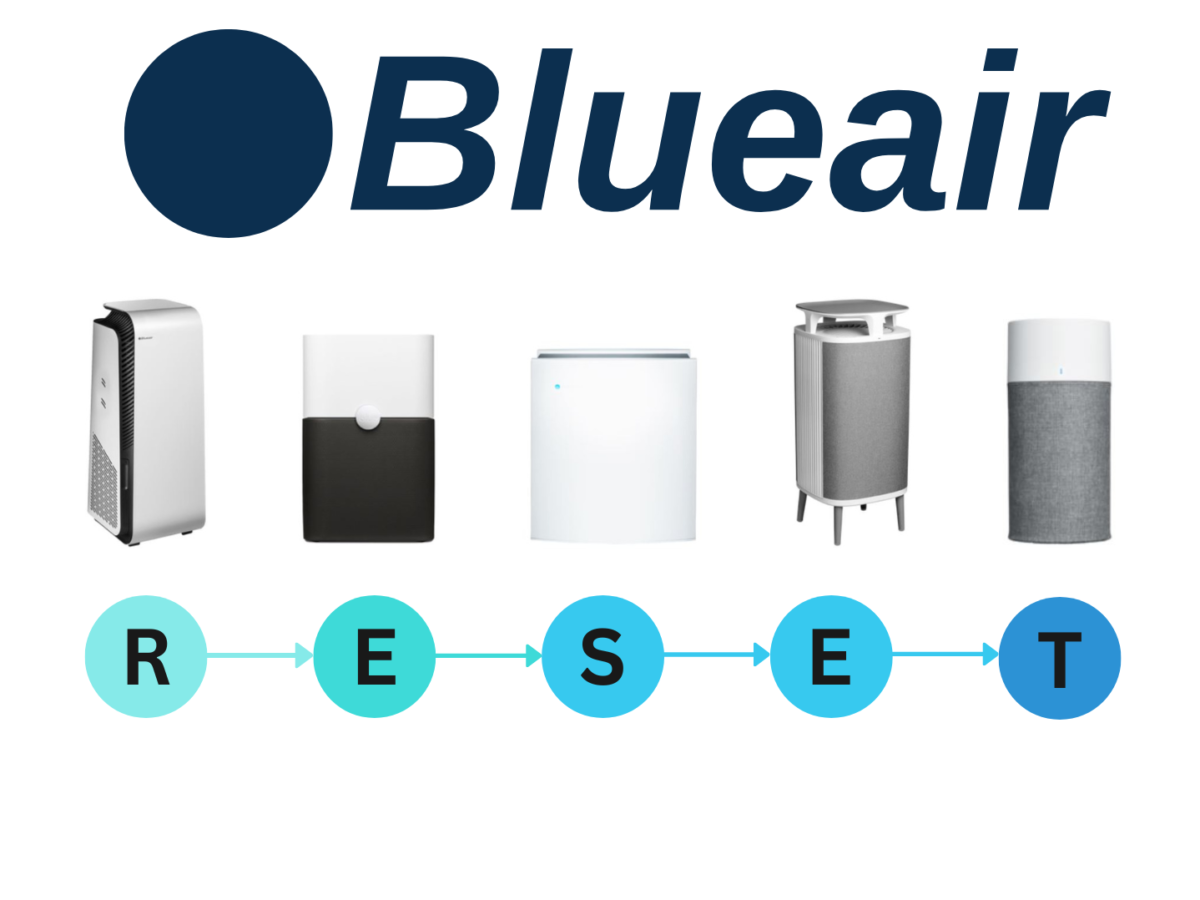
How To Reset The Filter Light On Blueair Air Purifiers
The reset process is different for each Blueair model. After changing the filter, press the filter replacement button (Classic Series), main button (Blue Series), red circle (Sense, Sense+, Pro), or the reset/timer button (E-Series) for 7 to 10 seconds, until the light turns off. To reset a DustMagnet model, press and hold the fan speed button…
-
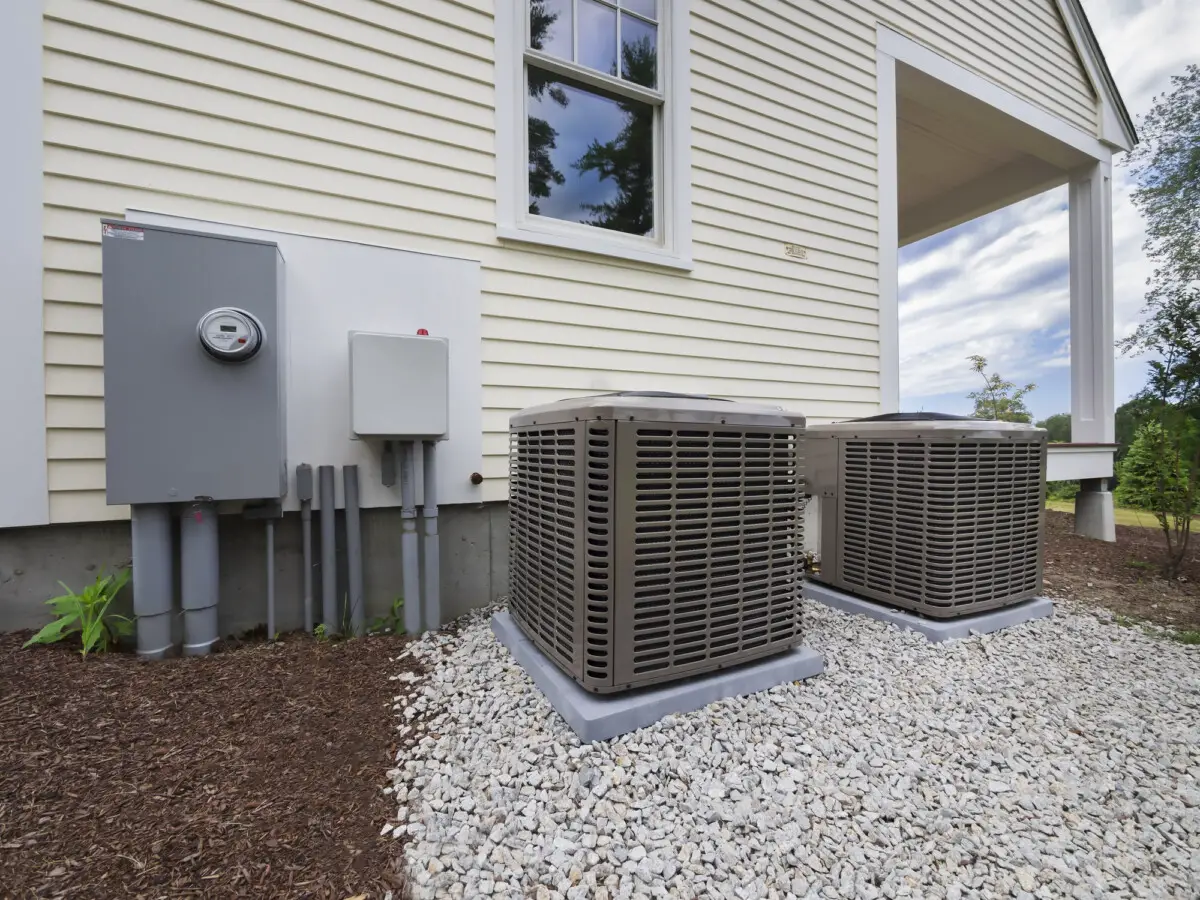
Adding An Air Purifier To Your HVAC – Benefits And Costs
Whole-house air purifiers can be added to an HVAC system by connecting it to the duct network that circulates the air. Adding an air purifier with activated carbon and HEPA filters help prevent contaminants from damaging the HVAC and will prolong its lifespan, while improving the air quality in your home. Around 91% of all…
-
Which Air Purifiers Remove Heavy Metals – Particles And Vapors
As of today, we know about 40 heavy metals. However, five of them, (arsenic, cadmium, chromium, lead, and mercury) are of primary concern due to their high toxicity. They are common air pollutants and can cause various adverse health effects upon exposure and should be removed from the air, ideally with an air purifier. Air…
-
Why You Need A Carbon Monoxide Detector – Get The Facts
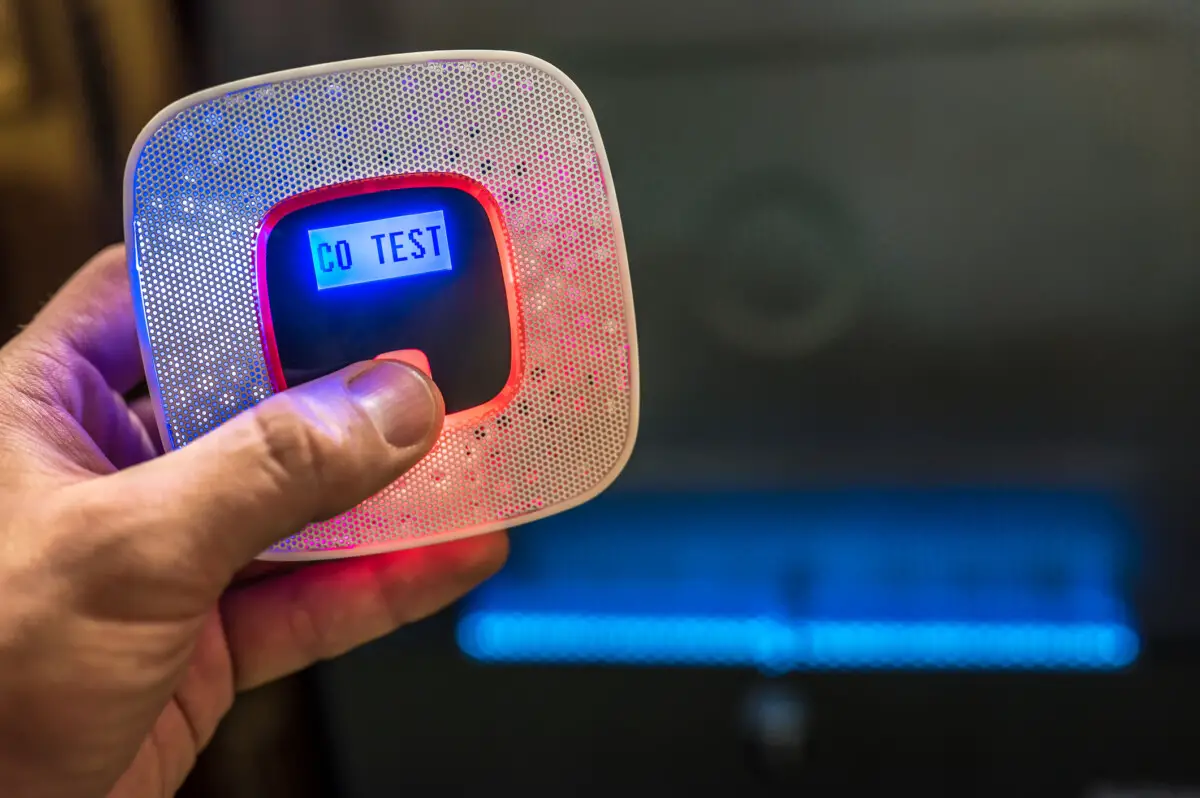
Carbon monoxide detectors are required in all homes in every state, excluding Hawaii and Kansas, under state legislations. Detectors can prevent accidental CO poisoning from common domestic appliances including gas stoves, furnaces, heaters and generators and must be placed on each floor. Every year 50,000 Americans land in emergency departments due to poisoning by carbon…
-
Air Purifiers That Remove Mycotoxins – And Those That Don’t
Mycotoxins are the primary pathogenic element responsible for mold infections. Given that, on average, we have 50,000 mold spores per cubic meter of space, mycotoxins are naturally concentrated in the air. As air purifiers trap airborne contaminants, one might question if they can remove mycotoxins from the air. Air purifiers with activated charcoal, titanium dioxide…
-
How To Reset The Filter Light On Filtrete Air Purifiers
Filtrete air purifiers display red lights to indicate clogged filters. After cleaning or replacing the filter, you need to reset the red light to turn it off and use the air purifier. The same reset process applies to all Filtrete air purifiers. After replacing the filter, connect the unit to a 120V power source and…
-
What is the White Stuff In (and On) My Air Purifier?
High quality air purifiers can remove up to 99.97% of the contaminants in the air we breathe. However, if you have noticed some white stuff in and around your air purifier, you might be concerned that your air is not safe to breathe. Electrostatic air purifiers can produce white dust as a by-product of air…